Tamarind: Uses, Varieties, How to Use It and Indian Recipes
Discover everything about Tamarind (Imli (इमली)): culinary uses in traditional Indian cooking, varieties, storage tips, purity identification, and authentic recipes.

Eirthum Research Team
Nutrition & Quality Specialist
Published August 9, 2026
6 min read
Tamarind (Imli (इमली)) is an indispensable aromatic component in Indian culinary traditions. Loved for its distinctive flavor profile and aromatic essential oils, it enhances everything from everyday lentils to celebratory biryanis and royal gravies.
What Is Tamarind?
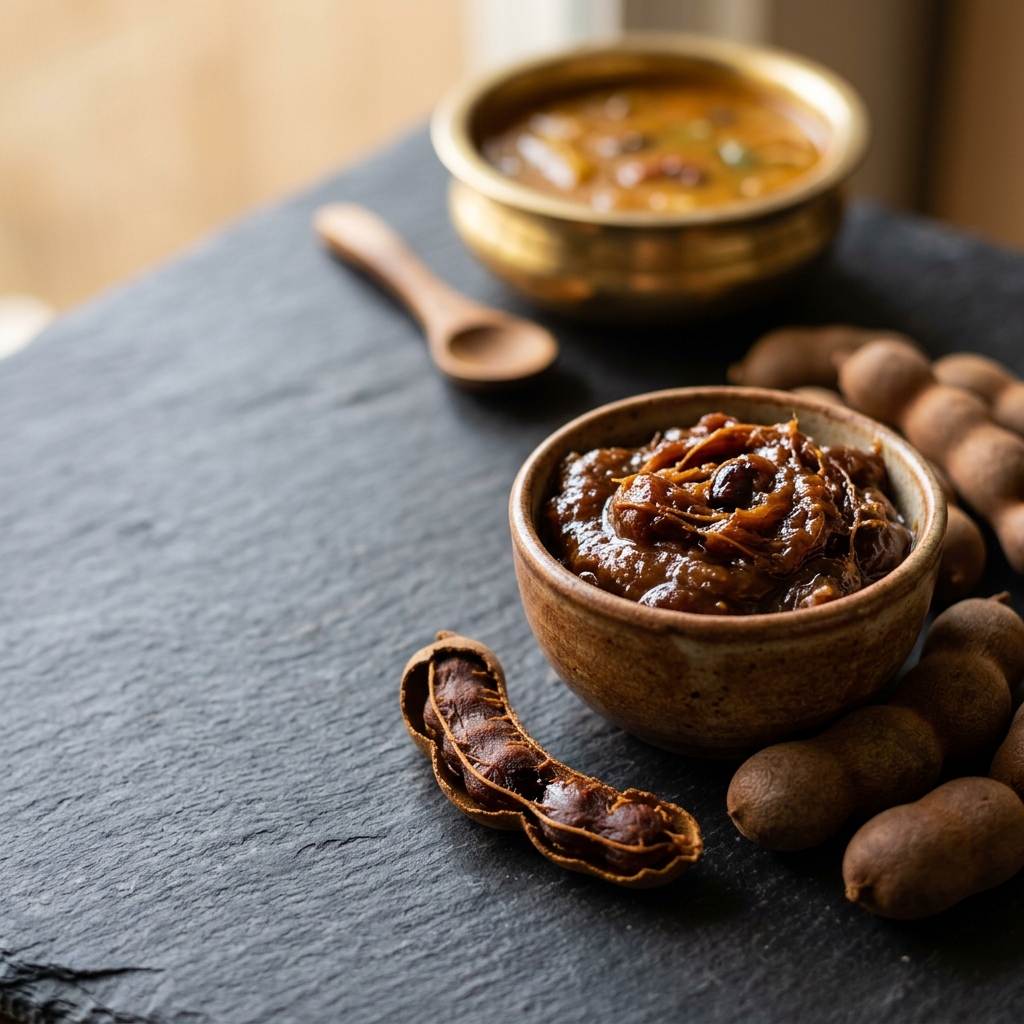
Tamarind is an essential spice widely celebrated in traditional Indian cuisine. Derived naturally from carefully harvested plants, it is revered for its unique flavor depth, essential oil aroma, and harmony with other classic Indian spices. When cooked correctly, Tamarind releases natural compounds that define the soul of regional Indian cooking.
Tamarind Name in Different Indian Languages
Here is how Tamarind is identified across different regional culinary traditions in India:
Varieties & Types
Depending on geographical origin and processing, Tamarind comes in several distinct regional forms, each offering varying aromatic intensities, oil contents, and color hues. Sourcing unadulterated varieties ensures authentic culinary results.
How Is Tamarind Used in Indian Cooking?
In Indian home kitchens, Tamarind is utilized at key stages of cooking:
Popular Dishes Made With Tamarind
How to Use Tamarind Correctly
To get the best culinary results from Tamarind:
How to Store Tamarind
Store Tamarind in a clean, dry, airtight glass container kept in a cool, dark kitchen pantry away from heat and direct sunlight. Avoid dipping damp spoons into spice containers. Properly stored whole spices retain fragrance for up to 18-24 months, while ground spices remain vibrant for 6-9 months.
How to Identify Good-Quality Tamarind
Consumer education is vital for choosing pure, unadulterated spices:
Tamarind and Purity: Why Eirthum Standards Matter
At Eirthum, spices are sourced directly from trusted Indian farming regions and cold-processed using low-temperature technology. This preserves 100% of the natural essential oils, vibrant color, and pure taste without thermal degradation.
Frequently Asked Questions
Common questions about Tamarind: Uses, Varieties, How to Use It and Indian Recipes, culinary usage, purity testing, and storage.
How to use Tamarind in Indian gravies and rasam?
+
Soak Tamarind in warm water for 15 minutes, squeeze out the concentrated pulp, and add to rasam, sambar, or chutneys for authentic tartness and tangy richness.
What are the culinary uses of Tamarind: Uses, Varieties, How to Use It and Indian Recipes?
+
Tamarind: Uses, Varieties, How to Use It and Indian Recipes is widely used in traditional Indian cooking to impart authentic aroma, rich flavor, and natural depth to curries, gravies, and traditional herbs dishes.
How do I identify pure and unadulterated Tamarind: Uses, Varieties, How to Use It and Indian Recipes?
+
Pure Tamarind: Uses, Varieties, How to Use It and Indian Recipes retains its natural color, potent aroma, and essential oils without synthetic dyes or chemical additives. Look for batch-tested certifications and public lab reports.
How should Tamarind: Uses, Varieties, How to Use It and Indian Recipes be stored for maximum freshness?
+
Store Tamarind: Uses, Varieties, How to Use It and Indian Recipes in an airtight glass container in a cool, dry, dark place away from direct heat and moisture to retain essential oils and aroma.
What makes Eirthum's Tamarind: Uses, Varieties, How to Use It and Indian Recipes different from market brands?
+
Eirthum sources Tamarind: Uses, Varieties, How to Use It and Indian Recipes directly from heirloom farms and processes it using low-temperature cold-grinding methods. Every batch is independently lab-tested with public certificates.
Eirthum Research Team
Nutrition & Quality Specialist
Part of the Eirthum Quality & Research Initiative dedicated to transparent food
testing, cold-ground spice processing, and 100% pure organic ingredients.