Asafoetida / Hing (Hing (हींग)) is an indispensable aromatic component in Indian culinary traditions. Loved for its distinctive flavor profile and aromatic essential oils, it enhances everything from everyday lentils to celebratory biryanis and royal gravies.
What Is Asafoetida / Hing?
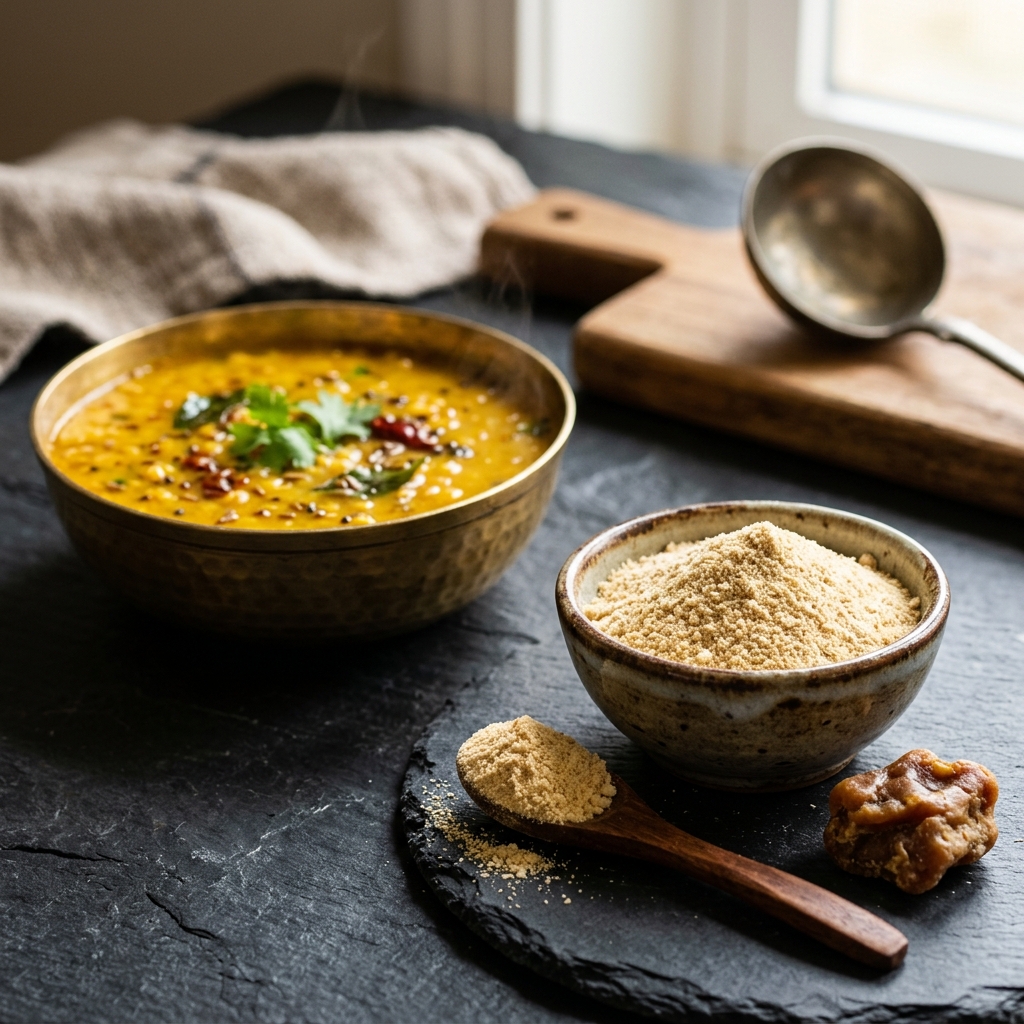
Asafoetida / Hing is an essential spice widely celebrated in traditional Indian cuisine. Derived naturally from carefully harvested plants, it is revered for its unique flavor depth, essential oil aroma, and harmony with other classic Indian spices. When cooked correctly, Asafoetida / Hing releases natural compounds that define the soul of regional Indian cooking.
Asafoetida / Hing Name in Different Indian Languages
Here is how Asafoetida / Hing is identified across different regional culinary traditions in India:
Varieties & Types
Depending on geographical origin and processing, Asafoetida / Hing comes in several distinct regional forms, each offering varying aromatic intensities, oil contents, and color hues. Sourcing unadulterated varieties ensures authentic culinary results.
How Is Asafoetida / Hing Used in Indian Cooking?
In Indian home kitchens, Asafoetida / Hing is utilized at key stages of cooking:
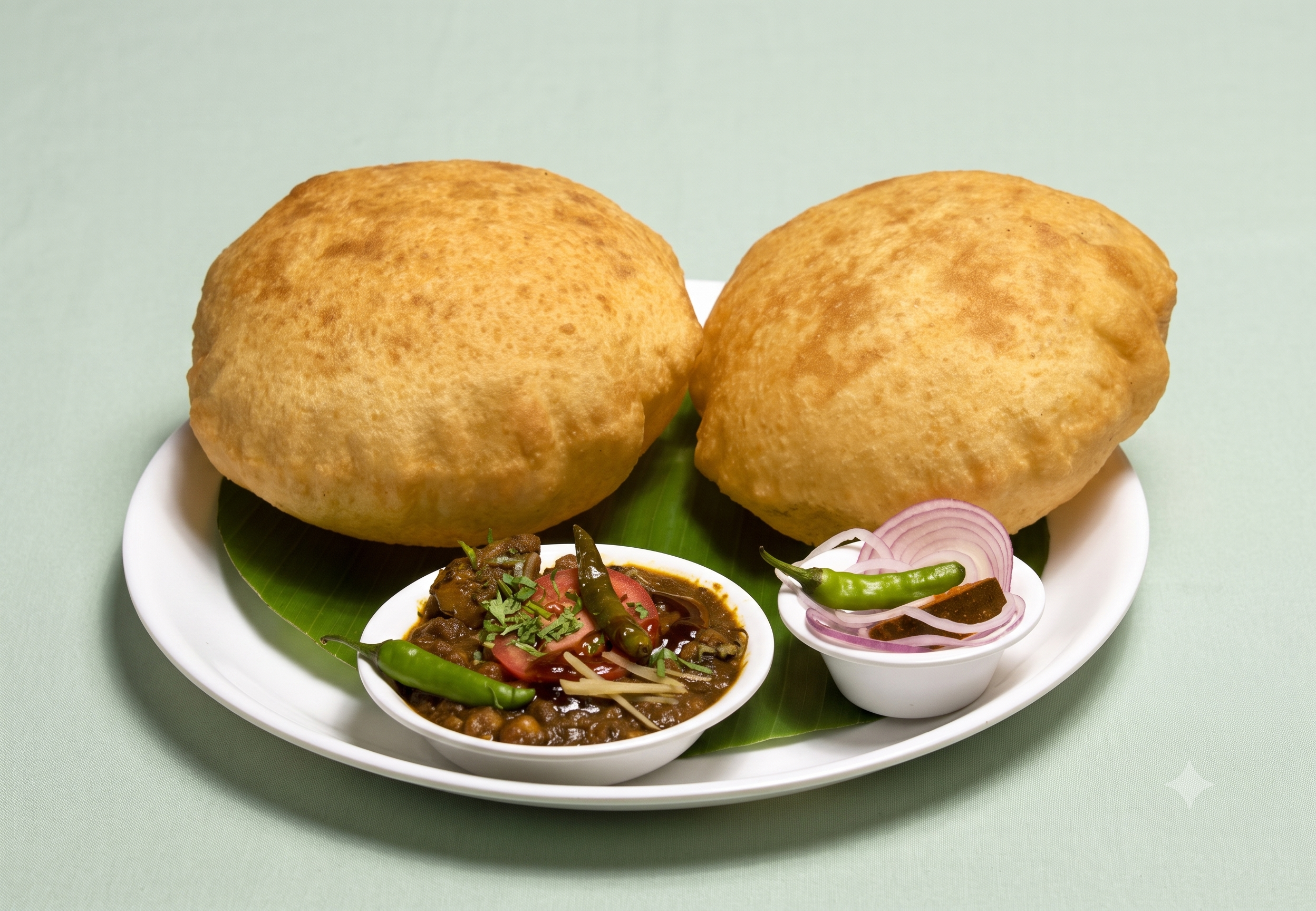
Popular Dishes Made With Asafoetida / Hing
How to Use Asafoetida / Hing Correctly
To get the best culinary results from Asafoetida / Hing:
How to Store Asafoetida / Hing
Store Asafoetida / Hing in a clean, dry, airtight glass container kept in a cool, dark kitchen pantry away from heat and direct sunlight. Avoid dipping damp spoons into spice containers. Properly stored whole spices retain fragrance for up to 18-24 months, while ground spices remain vibrant for 6-9 months.
How to Identify Good-Quality Asafoetida / Hing
Consumer education is vital for choosing pure, unadulterated spices:
Asafoetida / Hing and Purity: Why Eirthum Standards Matter
At Eirthum, spices are sourced directly from trusted Indian farming regions and cold-processed using low-temperature technology. This preserves 100% of the natural essential oils, vibrant color, and pure taste without thermal degradation.