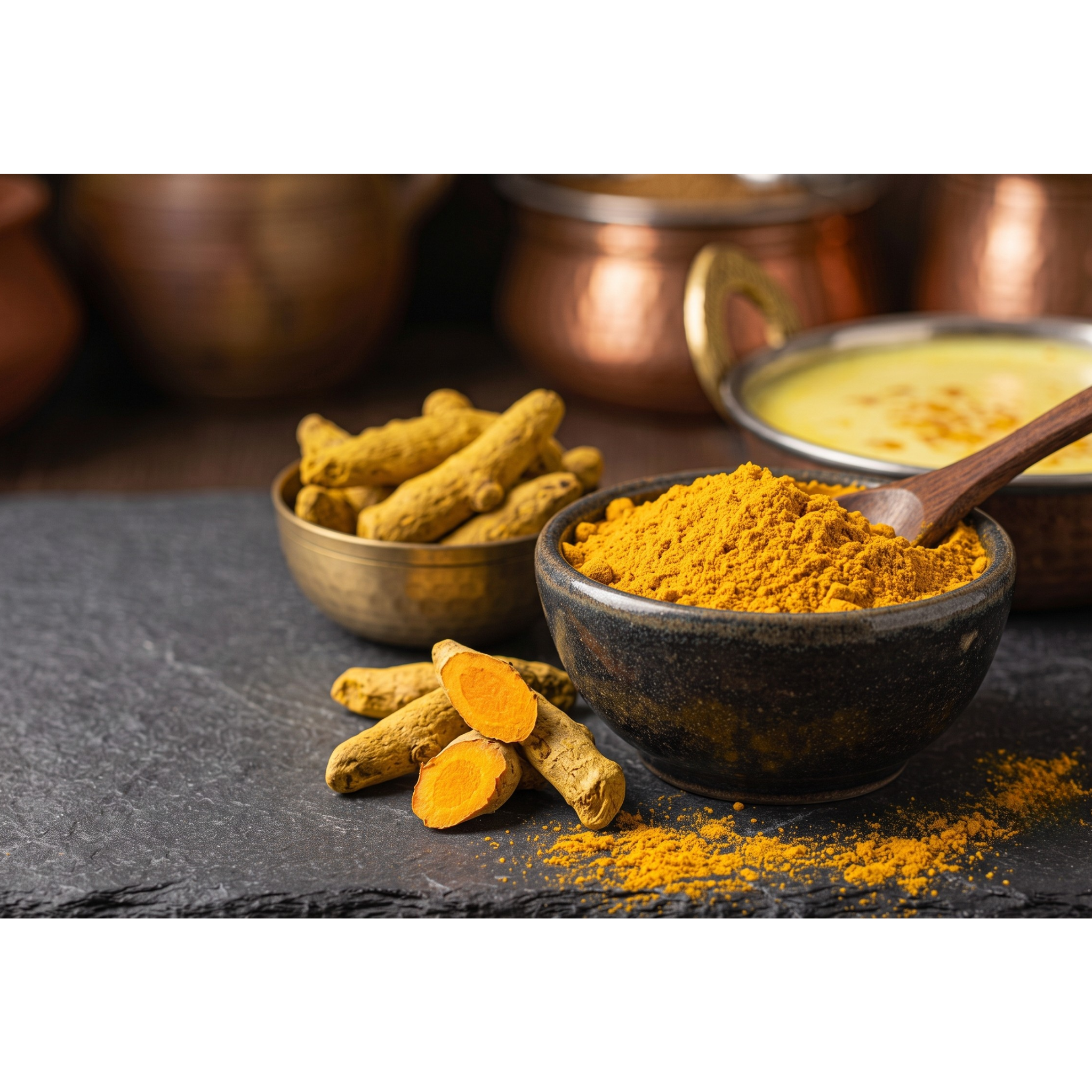
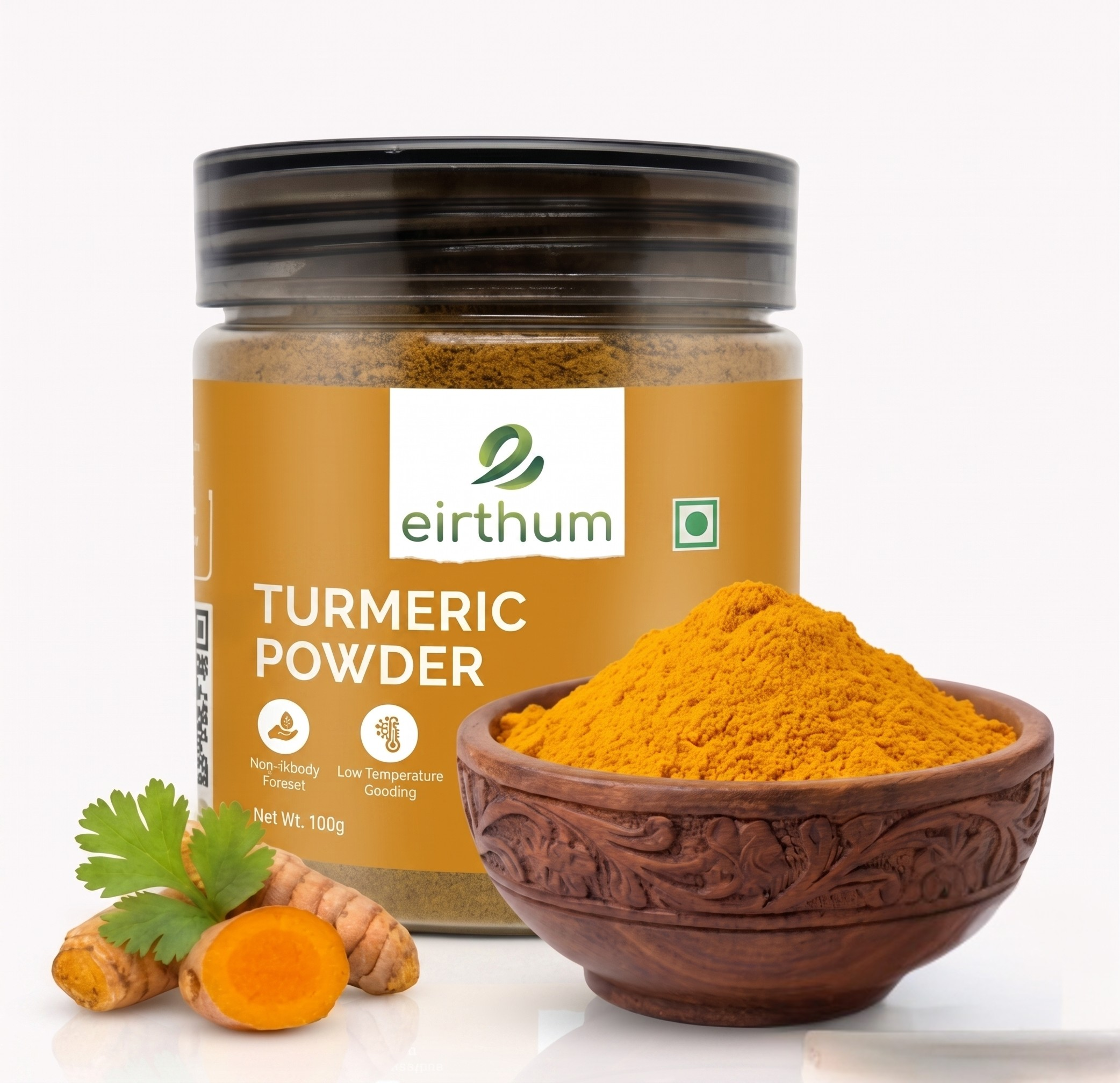
Turmeric (Haldi) is the golden soul of Indian culinary heritage. Beyond providing a vibrant sun-yellow color to curries, daals, and stews, pure unadulterated turmeric carries a warm, earthy aroma and subtle bitterness that forms the essential base of traditional Indian cooking.
What Is Turmeric?
Turmeric is derived from the underground rhizome of the Curcuma longa plant, a perennial member of the ginger family (Zingiberaceae). Indigenous to the Indian subcontinent and Southeast Asia, turmeric has been cultivated for over 4,000 years. The rhizomes are harvested, boiled or steamed, dried, and subsequently ground into a fine yellow powder. In traditional culinary philosophy, turmeric is celebrated not only as a coloring agent but as a vital digestive harmonizer.
Turmeric Name in Different Indian Languages
Understanding regional nomenclature helps home cooks connect with traditional recipes across India:
Types & Varieties of Turmeric
Not all turmeric is created equal. Several distinct regional varieties thrive across India, each possessing unique aromatic profiles and natural curcumin levels:
How Is Turmeric Used in Indian Cooking?
Turmeric is an indispensable foundation spice used in virtually every savory Indian preparation. It is added early in the cooking process—typically into heated oil or ghee alongside cumin or mustard seeds—allowing its fat-soluble natural compounds to bloom without scorching.
Common culinary applications include:
Popular Dishes Made With Turmeric
How to Use Turmeric Correctly
To maximize flavor and avoid raw bitterness, follow these expert cooking rules:
How to Store Turmeric
Turmeric is sensitive to light, air, and moisture. Store ground turmeric powder in an airtight glass or stainless steel container kept in a cool, dark kitchen pantry away from direct sunlight and heat. Avoid using wet spoons to scoop the powder, as moisture can cause clumping and spoilage. When stored correctly, pure cold-ground turmeric retains its potency for up to 12 months.
How to Identify Good-Quality Turmeric
Consumers should check the following physical characteristics when purchasing turmeric powder:
Turmeric and Purity: Why Cold-Ground Quality Matters
Traditional industrial high-speed grinding generates friction heat exceeding 70°C, evaporating delicate volatile essential oils (turmerone and zingiberene) and degrading color. Eirthum utilizes slow, traditional cold-grinding technology that keeps temperature low, preserving 100% of the natural essential oils, deep aroma, and unadulterated purity.